
Naturally, one of the easiest ways to profit at the expense of an existing brand’s audience is through phishing platforms for gambling. Internationally licensed casinos lose billions of dollars each year due to the activities of scammers who constantly find new ways to deceive the system.
So, more and more compromised platforms are emerging, offering players gambling with substandard software and hardware, low-quality service, and no payout guarantees.
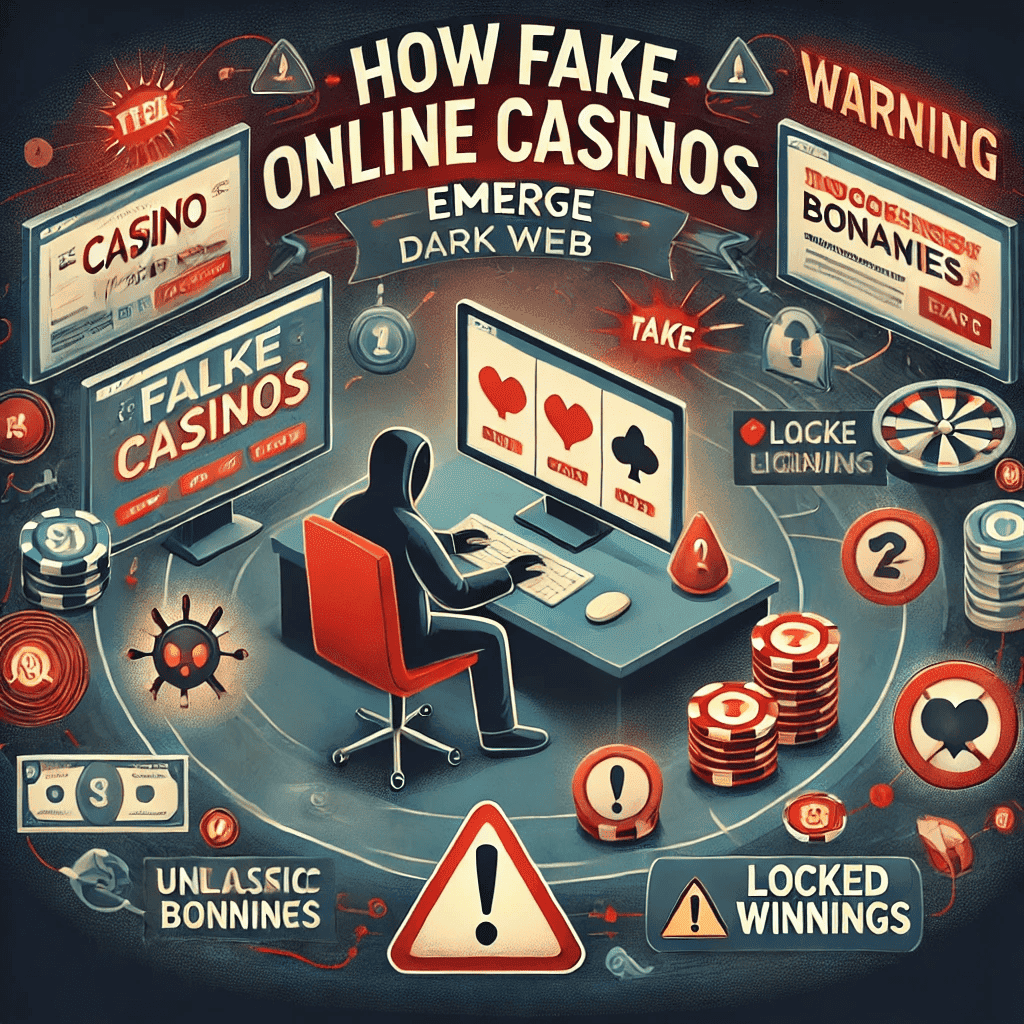
Illegal operators take advantage of users’ inattention and inexperienced players who easily trust familiar interfaces and popular symbols.
With the current automated software, it’s possible to quickly create a new website with a design that matches that of a well-known online casino. And due to the potential for huge profits in a short period of time, the legal consequences of such activities are often overlooked.
Moreover, pirate platforms use prohibited aggressive advertising tools, buy traffic from illegal service providers, and attract players with anonymous registration and quick access to the game.
Why do pirate websites continue to operate?
Illegal online casinos are troubling the legal gambling market worldwide. This often applies even to countries that have implemented strict gambling regulations.
For example, in Singapore, the number of cases of fraud involving pirate online casinos has increased 18 times over the past few years. The Singapore police uncovered 1,102 cases of gambling investment fraud, resulting in losses of over $50 million. Law enforcement agencies reported that victims of pirated online casinos often fall for scammers through dating platforms on the Internet and other unlicensed websites. — Scammers sometimes convince victims that these online platforms have loopholes that allow players to easily and reliably make a profit.
Law enforcement agencies spend a lot of time and resources combating new pirate websites. Currently, legal gambling operators regularly publish lists of illegal platforms that need to be blocked. However, such communication does not always happen quickly and effectively.
As for the “success” of pirate online casinos, the main reasons are attractive bonuses, promotions, and payouts that attract players; the absence of laws in some jurisdictions; aggressive marketing and spam to attract as many people as possible; a low entry threshold into the illegal business; and a quick return on investment.
Often, users do not have the opportunity or simply do not want to spend time checking the company’s licenses. Instead, they may use the services of platforms that minimally meet their requirements and resemble popular online casinos.
Recently, more than a hundred pirate online casinos were discovered in Kazakhstan, which were spreading short videos on TikTok. These platforms streamed gambling and allowed users to place bets online. In this case, two residents of Almaty were sentenced to 1.5 years in prison and fined nearly $30,000. Lawsuits against such enterprises usually lead nowhere because tracking the ultimate beneficiaries of the platform and holding them accountable is a thankless task.
People who own duplicate sites of famous online casinos and their endless “mirrors” quickly make money, and immediately after being blocked, they usually switch to other domains.
How does this affect legal business?
As online casinos become more popular, they are losing their reputation due to the emergence of competing pirate platforms. For example, a few years ago, one of the most famous gambling networks in the world warned its Asian clients about the danger posed by pirate online casinos.
Fraudsters often try to imitate well-known brands, so it’s easy to find numerous different casino options with interfaces resembling licensed platforms. Hundreds of such “clone sites” create chaos and force most players to choose other operators who can offer better service but don’t have many pirate counterparts.
Big and well-known licensed online casinos are losing a lot of money to “pirates.”
Ultimately, legal operators usually have to identify pirate online casinos themselves, motivate law enforcement to combat them, and then spend more money on restoring their image and educating their audience.
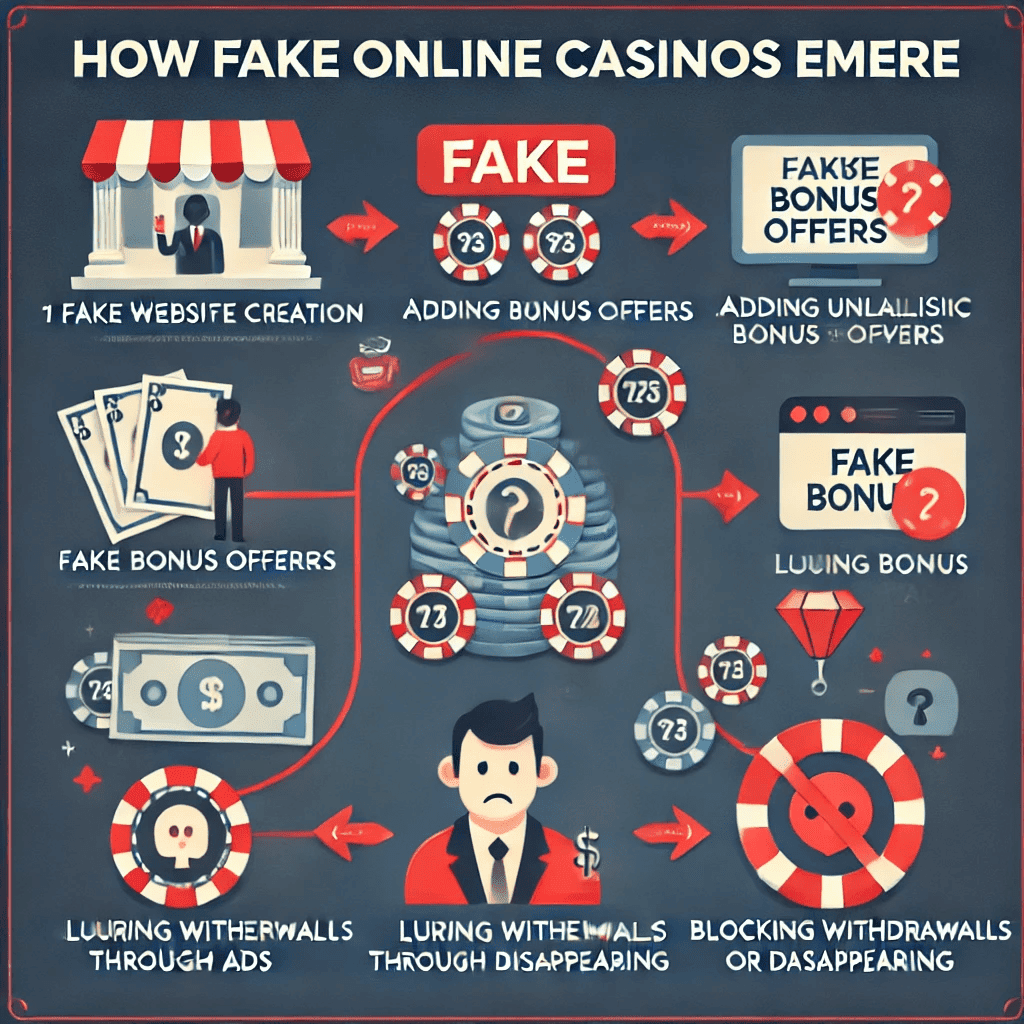
Moreover, the constant activity of illegal platforms can attract the attention of regulators and lead to stricter rules for licensed platforms. This, in turn, results in unfair competition, hinders the development of innovative solutions, and ultimately reduces the industry’s revenue.
Risks for the player: when you choose an online casino, if you are not very careful, it can often lead to terrible consequences. Users permanently give their money to unknown entities, hoping that the next online platform will belong to a well-known group of brands.
In most cases, pirate websites are shut down in a short period and move to other domains. Moreover, any attempts to get help and recover your money usually result in rudeness, and in the worst case, threats.
If you decide to use illegal online casinos, you may encounter a number of problems, such as financial losses, manipulation of game results, theft of personal data, poor customer support, high risks of developing gambling addiction, and loss of trust in gambling in general.
Users should choose only licensed online platforms that adhere to responsible gaming rules and comply with all industry standards to ensure safety and an enjoyable gaming experience.